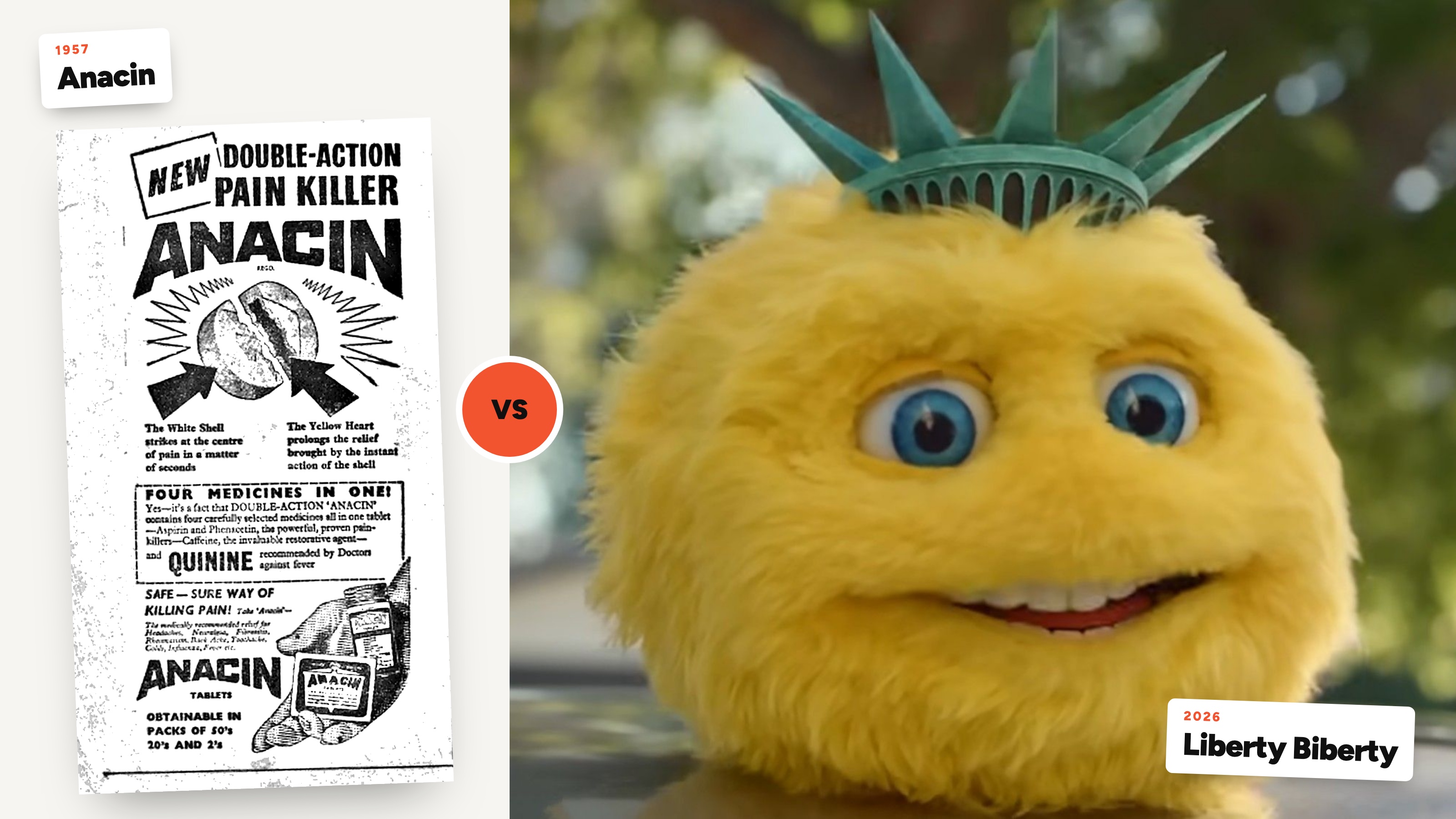
If you've watched TV or YouTube this year, you've met Liberty Biberty, a fuzzy yellow puppet in a Statue of Liberty crown. It started life as a flubbed line in an older Liberty Mutual commercial. This year the company turned the flub into an official brand character, built with Jim Henson's Creature Shop.
People hate it. In September a post on r/CommercialsIHate called "Liberty bibberty is crap." collected more than 5,400 upvotes and 663 comments. This fall, dozens of people led by a YouTuber stood outside Liberty Mutual's Boston headquarters to protest the character's existence.
r/CommercialsIHateSep 9, 2026Liberty bibberty is crap.
I will never understand who thought it was a good idea. Whats the thinking?
▲ 5.4k💬 663
One commenter took the sheer volume of the ads as proof that the company couldn't be paying its claims.
r/CommercialsIHatecomment · Sep 9, 2026Quite frankly I’ll never use Liberty Mutual, because if my Insurance company has enough money to hit us with that torrent of ads year over year, they clearly aren’t processing and paying their claims appropriately.
▲ 91
Liberty Mutual hasn't said whether Liberty Biberty sells insurance. Seventy years ago, though, another company ran a commercial that viewers hated even more, and we know exactly how that one turned out.
Why was the 1952 Anacin ad so hated?
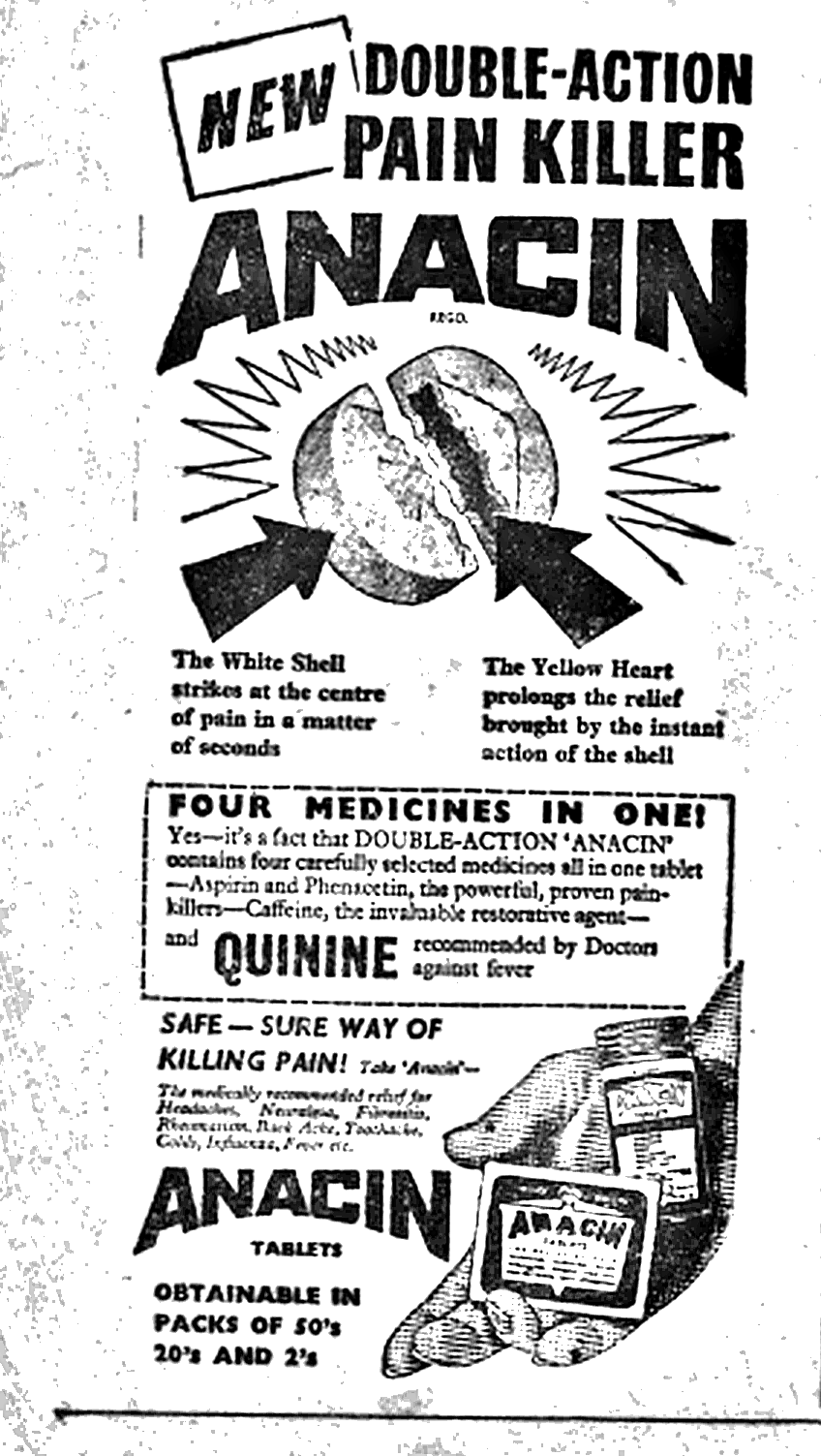
In 1952 a New York ad man named Rosser Reeves made a TV commercial for Anacin, a headache pill. It became one of the earliest and best examples of a real television ad campaign. The version people still remember is the "hammers in the head" spot, with its slogan: "Tension. Pressure. Pain."
Almost every viewer found it grating and annoying. Despite the hate, it tripled Anacin's sales. Within seven years that 59-second spot had made more money than Gone with the Wind made in a quarter century. Adjusted for inflation, Gone with the Wind is still the highest-grossing film ever released.
A commercial people couldn't stand beat the biggest movie in history. That raises two questions. Why did it work? And how many ads in your own account have you switched off because you, or your comment section, couldn't stand them?
Why did a hated ad win?
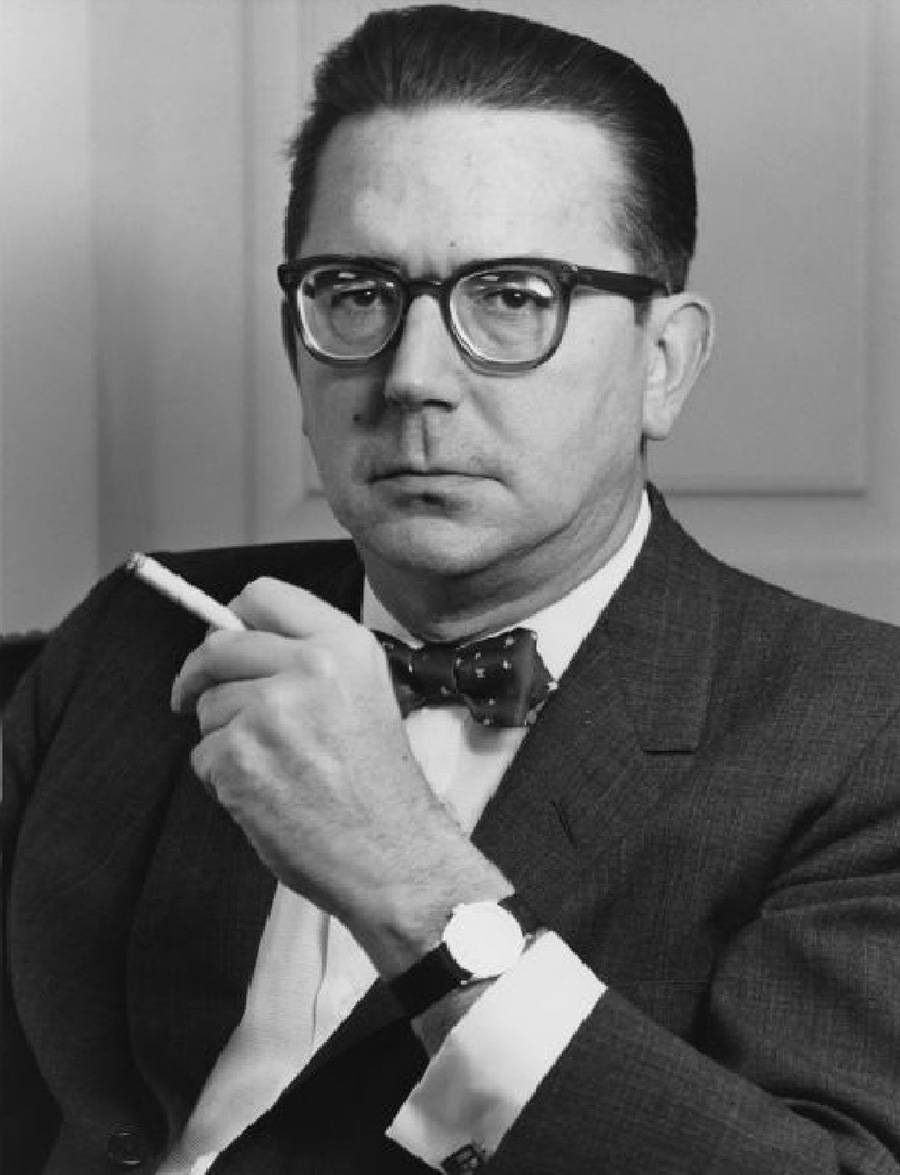
Reeves co-founded the Ted Bates agency in New York and rose to be its chairman. He believed an ad had one purpose, which was to sell, and that the copywriter's cleverness and humor had no place in it. What an ad needed was one reason to buy the product that no competitor was offering. He called it the unique selling proposition.
If you first heard the term USP from Jay Abraham, who teaches it in his book Getting Everything You Can Out of All You've Got, the idea is older than that. Reeves coined it, and the strategy was already running in ad campaigns in the early 1940s.
Anacin's selling proposition was speed. Reeves built the 1952 spot around its added caffeine and repeated the promise of "fast, incredibly fast relief" three times. It's easy to see why people hated it: hammers in a head, a slogan about pain, the same promise said over and over. It's just as easy to see why it sold. By the end of the ad, nobody could forget what Anacin claimed to do.
Reeves thought a good campaign should never change, with a single slogan for each product, the way M&M's kept "melts in your mouth, not in your hand." He set the whole doctrine down in a 1961 book called Reality in Advertising.
Does hating an ad mean it's failing?
For a founder spending on Meta, this is the part that matters. The viewers who hated the Anacin spot were expressing their taste. Anacin's sales told a different story. Both were true at the same time, and only one of them paid the bills.
You face the same split every week, and usually the person who hates the ad is you. You've watched it two hundred times in Ads Manager. Your team is sick of it. Somebody left a nasty comment under it. None of that is your CPA, your ROAS or your revenue.
Media buyers watch founders make this mistake all the time. This June, an operator who has run Facebook ads since 2015 called creative fatigue "one of the most overused diagnoses in Facebook advertising." A client of theirs was about to pay a video production company because results had dipped for ten days.
r/FacebookAdsJun 21, 2026“Creative fatigue” is one of the most overused diagnoses in Facebook advertising and it's causing people to waste money on new content they don't need.
I was on a consultation call a few weeks ago and the client told me they were about to hire a video production company because their results had been down for about 10 days. Before they spent the money, I looked at the account and found a placement issue that took me 30 seconds to fix. Results improved within a couple of days. The creative was fine the entire time.
▲ 122💬 38
Fatigue is real, and it has a signature you can check. Another operator, answering a beginner on the same subreddit in September, put it in one line.
r/FacebookAdscomment · Sep 4, 2026Fatigue has a specific signature: frequency climbing while CTR falls on the same audience. If CTR is fine but conversions dropped, that's usually not fatigue, it's the landing page or the tracking.
▲ 2
Where did judging ads by sales come from?
Reeves didn't invent the idea that sales are the only scorecard. That habit started in print, about fifty years before the Anacin spot.
In 1904 an ad man named Albert Lasker met John E. Kennedy, a former Canadian Mounted Policeman, who told him advertising was "salesmanship in print." In 1907 Lasker hired a copywriter named Claude Hopkins to his agency, Lord & Thomas, at a salary of $185,000 a year, according to David Ogilvy.
Hopkins measured everything. He used direct mail, coupons and comparative tests, pitting headlines, offers and propositions against each other and keeping whatever won. At the Bissell carpet sweeper company he mailed five thousand letters suggesting sweepers as Christmas presents, and a thousand people sent in orders. His campaigns for Pepsodent toothpaste are credited with getting Americans into the habit of brushing their teeth. In 1923 he put the method in a book, Scientific Advertising, now cited as the first description of split testing. Ogilvy later wrote that "nobody should be allowed to have anything to do with advertising until he has read this book seven times."
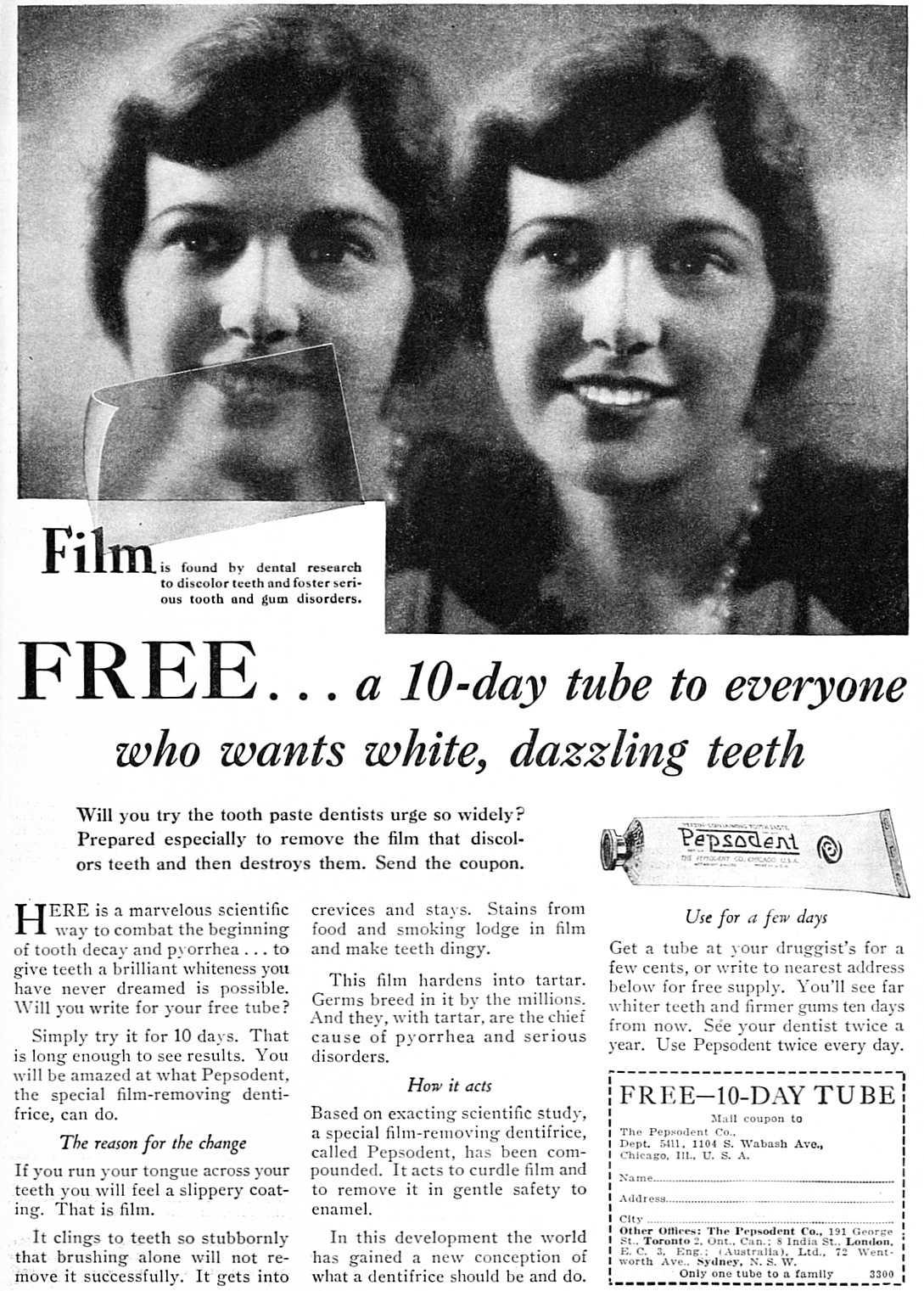
Look at how Hopkins worked. He ran versions side by side and let the results choose. The only thing that made Anacin's spot a winner was that sales tripled.
Why did "run it forever" stop working?
Reeves's rule had a ceiling. In the 1960s his methods began to fail. Viewers learned to tune out commercials that bored them, and the Creative Revolution, led by Doyle Dane Bernbach's Think Small ads for Volkswagen, threw out many of his rules. He also argued that no amount of advertising can move a bad product, and that strong advertising for a flawed one only destroys the brand faster.
So the lesson for a Meta account has two halves. First, make enough ads that the market can show you a winner, the way Hopkins let coupons pick his. Second, once you have a winner, keep spending on it until CPA or ROAS tells you to stop, however tired of it you are.
Meta now reports performance for each individual creative, Social Media Today wrote in October. That's the per-ad scorecard Hopkins had to build out of coupons, sitting in every founder's account.
5 checks to diagnose Meta ad creative fatigue before you kill an ad
These checks come from the operators quoted above.
- Pull frequency and CTR for the same audience. Frequency climbing while CTR falls is fatigue. If frequency is flat, the ad probably isn't tired.
- If CTR is holding but conversions dropped, look past the ad: landing page, offer, price, stock or tracking. Confirm your conversion event still fires before you touch creative.
- Check CPMs for the week. If they spiked, attention got more expensive across the platform, and a new video won't change that.
- Break the results down by placement, country and ad set before you blame the creative. One of them may be dragging the average.
- Write down why you want to kill the ad. If the reason is in your CPA or ROAS, act on it. If the reason is that you're sick of watching it, leave it running.
If the ad really is tired, retire it, keep the one promise that sold, and put several new concepts up against each other to find the next winner.
As for Liberty Biberty, the comment section and the protesters have given their verdict. Liberty Mutual answered by making it a mascot. Only its sales data knows who's right.
Frequently asked questions
What was the most hated ad of the 1950s?
A strong candidate is the Anacin headache-pill campaign Rosser Reeves made for the Ted Bates agency, starting in 1952. Its "hammers in the head" spot and the slogan "Tension. Pressure. Pain." are still remembered, and almost every viewer found the ad grating and annoying.
Why did the Anacin ad work if people hated it?
It sold a single promise, fast relief from Anacin's added caffeine, and repeated it until nobody could forget it. Reeves believed the purpose of an ad was to sell, and being liked was never the goal. Anacin's sales tripled.
Who coined the term unique selling proposition?
Rosser Reeves of the Ted Bates agency coined it, and the strategy was already in use in campaigns of the early 1940s. Jay Abraham later taught it to a new generation of marketers in his book Getting Everything You Can Out of All You've Got.
Does hating an ad mean it's failing?
No. Hate tells you about the viewer's taste, and boredom tells you about yours. Whether an ad works shows up in CPA, ROAS and revenue. Anacin's viewers hated its 1950s spot while its sales tripled.
What should you check before you kill an ad?
Compare frequency and CTR on the same audience, since rising frequency with falling CTR is fatigue. If CTR holds but conversions drop, look at the landing page, offer and tracking. Check the week's CPMs, break results down by placement, country and ad set, and write down whether your reason is a number or boredom.
How did Claude Hopkins measure advertising?
With coupons, direct mail and comparative tests that pitted headlines, offers and propositions against each other. His 1923 book Scientific Advertising is cited as the first description of split testing.